What to Drink for an Enlarged Prostate? Best Drinks and Drinks to Avoid
What to drink for an enlarged prostate is one of the most common questions men ask once night-time trips and weak flow start to interfere with daily life. This guide explains which drinks tend to help, which ones tend to irritate the bladder, how much to drink and when to drink it, based on advice from respected health bodies.
Medical note: this page is general education, not medical advice. An enlarged prostate can look like other conditions, so speak with a doctor about your own symptoms. This page also contains affiliate links.
Best and Worst Drinks for an Enlarged Prostate: Quick Answer
This drinks-for-an-enlarged-prostate table gives you the answer first, and the sections below explain the reasoning.
| Drink | Verdict | Why it matters |
|---|---|---|
| Plain water | Best choice | Does not irritate the bladder and keeps urine diluted |
| Caffeine-free herbal tea | Good | Warm, hydrating and free of bladder-stimulating caffeine |
| Decaf coffee or tea | Good | Keeps the habit with far less caffeine |
| Regular coffee, black tea, energy drinks | Limit | Caffeine can increase urgency and frequency |
| Fizzy and artificially sweetened drinks | Limit | Can irritate the bladder in some men |
| Alcohol, especially in the evening | Cut back | Increases urine output and disturbs sleep |
| Large drinks close to bedtime | Avoid | Drives night-time urination (nocturia) |
The Short Version
For an enlarged prostate, drink plain water in steady amounts through the day, swap caffeine and alcohol for gentler options, and taper off in the two hours before bed. These changes do not shrink the prostate, but they often make the symptoms easier to live with.
Why Do Drinks Matter for an Enlarged Prostate (BPH)?
An enlarged prostate, medically called benign prostatic hyperplasia or BPH, is a non-cancerous growth of the prostate gland that becomes more common with age. The gland sits around the urethra, so as it grows it can squeeze the tube that carries urine. The bladder then has to work harder, which is why men notice a weak stream, frequent trips, urgency and getting up at night.
Because the problem is about how urine is made, stored and passed, what you drink and when you drink it has a direct effect on symptoms. A strong coffee at 4 pm or three beers in the evening does not cause BPH, but it can make an already crowded bladder feel much worse. Health bodies including the NHS and the US National Institute of Diabetes and Digestive and Kidney Diseases include drink changes among the first self-care steps.
One important point: BPH is not prostate cancer and does not cause it, but the symptoms can overlap. That is one more reason to have new urinary symptoms checked.
What Are the Best Drinks for an Enlarged Prostate (BPH)?
These are the best drinks for an enlarged prostate. They hydrate you without the bladder irritation that comes from caffeine, alcohol and fizz.
Plain Water
Water is the simplest answer to what to drink for an enlarged prostate. It hydrates without caffeine, sugar or acids, and it keeps urine diluted so the bladder is less irritated.
Caffeine-Free Herbal Tea
Peppermint, chamomile, rooibos and fruit-and-herb blends give you a warm evening drink without caffeine. Check the label, as some blends contain tea leaves.
Decaf Coffee and Tea
If the ritual matters to you, decaffeinated versions keep the taste and routine while cutting most of the bladder stimulation that caffeine brings.
Milk and Plant Milks
Unsweetened milk or fortified plant milk counts toward your fluid intake and works well in the morning or with a meal, in moderate amounts.
Clear Soups and Broths
Fluid in soups and water-rich foods such as cucumber, melon and oranges counts toward your daily total, which makes it easier to drink less in the evening.
Diluted Juices
Tomato or pomegranate juice is often mentioned in prostate articles. The evidence is limited, so treat them as optional extras, diluted and taken earlier in the day.
Which Drinks Should You Avoid With an Enlarged Prostate?
Drinks to avoid with an enlarged prostate are those that either make more urine or irritate the bladder lining. Limits matter more than bans.
Drinks Most Likely to Irritate
- Coffee and black tea: caffeine acts as a mild diuretic and bladder stimulant
- Energy drinks and cola: high caffeine and often fizzy and sugary
- Alcohol: raises urine output and can disturb sleep
- Fizzy drinks: carbonation can bother a sensitive bladder
- Artificial sweeteners: a known trigger for some bladders
Easier Swaps
- Decaf coffee or a caffeine-free herbal tea
- Still or lightly flavoured water with a slice of fruit
- Alcohol-free options at lunch rather than late evening
- A smaller serving, taken earlier in the day
- Unsweetened drinks rather than diet versions
Alcohol and caffeine deserve special attention because they push in two directions at once: they increase the amount of urine you make and they irritate the bladder lining. For a man whose prostate already narrows the urethra, that combination can mean sudden urgency that is hard to hold.
You do not have to give up everything on the left-hand list. Many men find that one morning coffee is fine, while the same cup after dinner leads to a broken night. Experiment gently, change one thing at a time and notice what your body tells you.
How Much Should You Drink With an Enlarged Prostate?
It is tempting to cut fluids to avoid the toilet, but this backfires. Drinking too little makes urine more concentrated and irritating, can lead to constipation, which puts extra pressure on the bladder, and raises the risk of urinary tract infections. The goal is not to drink less overall; it is to drink steadily and sensibly.
There is no single correct figure, because needs vary with body size, climate, activity and health conditions. A practical test is the colour of your urine: pale straw yellow suggests you are well hydrated, while dark yellow suggests you need more. Many general guides point to roughly six to eight glasses of fluid a day for most adults, but your doctor can tailor that number, particularly if you have heart or kidney problems.
When to Drink? A Daily Schedule for an Enlarged Prostate
When you drink matters almost as much as what you drink. This simple daily schedule keeps you hydrated while protecting your sleep.
Hydrate First
Start with a glass of water. If you drink coffee, this is the safest slot for it.
Drink Steadily
Sip water or herbal tea with meals and between them to keep urine pale.
Ease Off Caffeine
Switch to decaf or herbal tea and keep portions moderate.
Taper Down
Avoid alcohol and large drinks. Stop fluids about two hours before bed.
The two-hour rule is one of the most practical tips in this guide. It gives your kidneys time to process the last drink so that less urine is waiting in the bladder when you lie down. If you take a water tablet (diuretic) for another condition, ask your doctor whether taking it earlier in the day could reduce night-time trips.
Drinks and Night-Time Urination (Nocturia) With an Enlarged Prostate
Waking two or three times a night to urinate is among the most disruptive BPH symptoms. It fragments sleep, leaves you tired the next day and, for older men, can add to the risk of falls on the way to the bathroom.
Drinks are one of the easiest levers to pull. Front-load your fluids earlier in the day, avoid alcohol and caffeine after lunch or mid-afternoon, and keep a glass of water by the bed for a small sip only if you genuinely need it. Emptying the bladder fully before bed also helps; some men pause for a moment after finishing and try again, a habit sometimes called double voiding.
If you still wake several times a night after adjusting your drinks, mention it to your doctor. Night-time urination has many possible causes, including sleep apnoea, diabetes and heart conditions, and these are worth ruling out rather than assuming it is only your prostate.
A Simple Drink Plan for an Enlarged Prostate in 4 Steps
Try this four-step routine to find out which drinks affect your enlarged prostate symptoms. Change one thing at a time.
Track for 3 Days
Note what you drink, when, and how often you urinate, including at night.
Cut Back Gradually
Reduce caffeine and alcohol step by step rather than all at once.
Shift Fluids Earlier
Drink more by mid-afternoon and taper in the evening.
Review After 2 Weeks
Compare your notes, keep what helps and see a doctor if little changes.
Beyond Drinks: Habits That Help an Enlarged Prostate
Drink choices work best alongside a few other everyday habits that support urinary comfort and general prostate wellness.
Eat Enough Fibre
Constipation presses on the bladder and can make symptoms worse. Fruit, vegetables, beans and wholegrains help keep things moving.
Stay Active
Regular exercise supports healthy weight and general wellbeing, and even a daily walk can ease urinary discomfort for some men.
Do Not Hold On
Go when you feel the need and take your time. Rushing or delaying can leave the bladder less empty than it should be.
Review Your Medicines
Decongestants, some antihistamines and some water tablets affect urination. Ask your doctor or pharmacist about timing or alternatives.
When to See a Doctor About Prostate Symptoms?
Drink changes are a sensible first step, but they are not a substitute for a medical check. Book an appointment if your symptoms are bothersome, are getting worse or are interfering with sleep and daily life. A doctor can check your prostate, test your urine and blood, and talk through options ranging from watchful waiting to medication.
Medicines prescribed for BPH usually take several months to show their full effect, so your doctor may suggest combining them with the drink and lifestyle habits above. Our guide to natural remedies for an enlarged prostate covers herbs, supplements and everyday habits in more detail.
Where Does ProstaVive Fit Alongside Healthy Drink Habits?
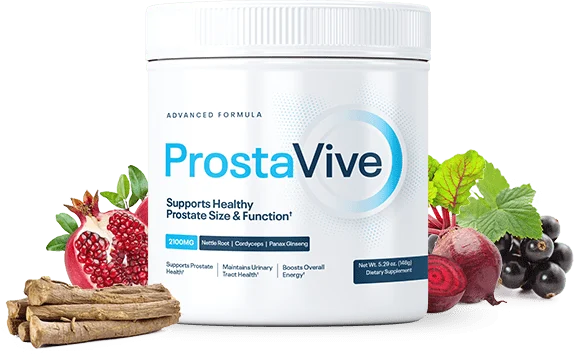
ProstaVive is a daily powder supplement formulated to support prostate wellness, urinary comfort and male vitality. You mix one scoop with water, so it slots naturally into the morning hydration habit described above, when fluids are best placed. Visit the main ProstaVive website for the full product overview.
The formula combines botanicals such as stinging nettle root, fenugreek, ashwagandha, maca, cordyceps, tongkat ali and Panax ginseng with vitamin D3, vitamin B6, magnesium, zinc and boron. It does not contain saw palmetto. ProstaVive is a dietary supplement for nutritional support, not a treatment for an enlarged prostate, and it works best as one part of a routine that includes the drink, diet and medical advice covered here.
Pricing is $79 for one bottle, $59 per bottle for three and $39 per bottle for six, with a 180-day money-back guarantee. For the full detail, read the ProstaVive review, the price guide or the discount page.
Check Today's ProstaVive PriceMore Enlarged Prostate Drink Questions: Cranberry, Kombucha, Exercise and Teas
These questions cover drinks and situations the guide above does not, from cranberry juice and kombucha to hot weather and herbal teas.
Cranberry is usually discussed in connection with urinary tract infections, not prostate enlargement, and evidence that it helps BPH is lacking. Many bottled cranberry drinks are sweetened and acidic, which can bother a sensitive bladder, so if you enjoy it choose an unsweetened version, dilute it, and drink it earlier in the day.
Not always. Non-alcoholic beer can still contain a trace of alcohol, and it is usually fizzy, so it may irritate a sensitive bladder. Try a small amount earlier in the day and notice how you feel before making it a habit.
Yes, sweating raises your fluid needs, and cutting back too far leaves urine concentrated and irritating. Drink extra water earlier in the day and during activity, then keep the evening taper so you are not heading to bed with a full bladder.
Kombucha is fermented tea, so it is often fizzy, contains trace alcohol and usually brings some caffeine, which are three things that can irritate the bladder. If you want to try it, take a small serving at lunchtime and watch how your symptoms respond.
Plain peppermint and rooibos are generally mild, but some herbal teas contain active plant compounds that can interact with medicines. Chamomile, for example, can interact with blood thinners such as warfarin, and teas sold for prostate health may contain herbs like nettle or saw palmetto. Check the ingredients and ask your pharmacist if you take prescribed medicine.
Many men notice changes in urgency or night-time trips within days to a couple of weeks of cutting caffeine, alcohol and late-evening fluids, but responses vary. Change one thing at a time and keep brief notes so you can tell which adjustment is helping.
What to Drink for an Enlarged Prostate? Final Advice
The best approach is simple: drink water steadily through the day, choose caffeine-free options, keep alcohol and fizzy drinks to a minimum, and stop fluids about two hours before bed. These habits will not shrink the prostate, but they can reduce urgency, frequency and broken sleep.
Combine them with good nutrition, regular activity and regular check-ups, and speak to a doctor about symptoms that persist or worsen. If you also want a daily nutritional routine, ProstaVive is one option to evaluate.
Check Today's ProstaVive Price